G7 finance chiefs meet in Paris to tackle energy crisis
By EARLE GALE in London | China Daily Global | Updated: 2026-05-20 09:37


Finance ministers and central bank governors from Canada, the European Union, France, Germany, Italy, Japan, the United Kingdom and the United States met for a second day of talks in Paris on Tuesday, seeking solutions to high energy prices caused by the Iran war.
The G7 finance ministers' meeting came a year on from Washington's imposition of tariffs on Western allies and in the wake of an economic crisis of its making, with attendees saying they hoped the US would realize multilateralism was the way forward.
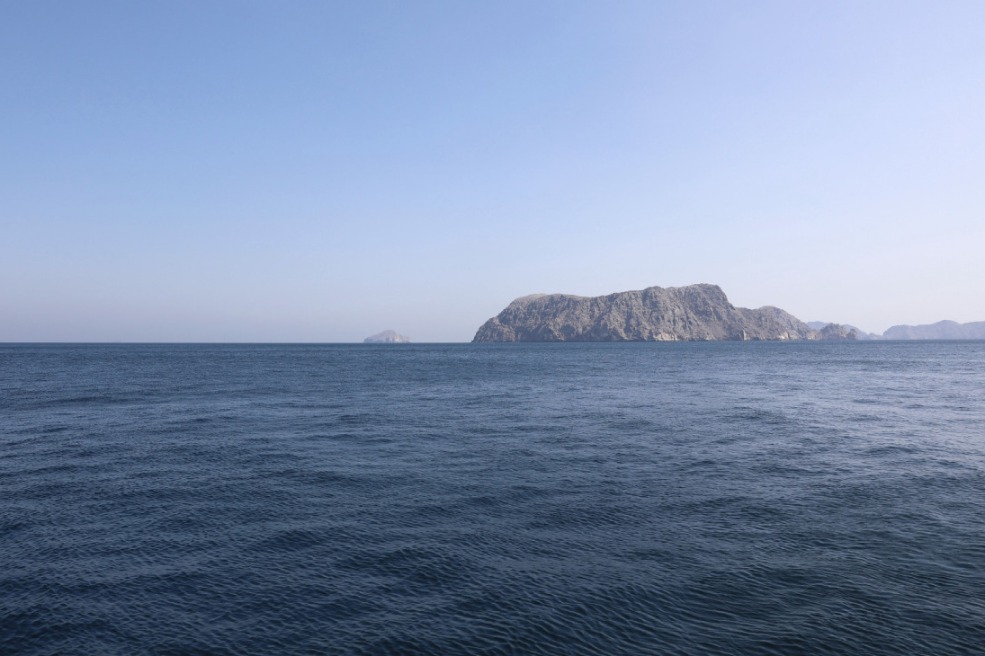
Roland Lescure, France's finance minister, told The New York Times that negotiations to reopen the Strait of Hormuz, which has been effectively closed because of the conflict, clearly need international cooperation.
"When we saw that, we felt that more than ever the G7 had a role to play, and that engaging in conversations, multilateral if possible, was the right way of addressing this," he said.
As he arrived for the talks, he added, "We're going to show that multilateralism is useful and that it works."
Lescure acknowledged on Tuesday that two days of talks were "sometimes difficult", even as the group agreed a statement committing to multilateral cooperation in combating growing economic risks.
"We have had frank, sometimes difficult, direct discussions to find long-term and short-term solutions to major global economic challenges in order to guarantee economic stability," he said after a meeting of the finance ministers, including US Treasury Secretary Scott Bessent.
However, the final communique of the G7 ministers reaffirmed "our commitment to multilateral cooperation in addressing risks to the global economy".
Bessent led the US delegation at the talks, which included regular G7 members as well as Brazil, India, Kenya, Qatar, South Korea, Syria, the United Arab Emirates and Ukraine.
The meeting came in the wake of the International Monetary Fund warning that damage to global oil markets caused by the blockage of the Strait of Hormuz could slow growth, fuel inflation and cause a global recession.
At Monday's session, the ministers highlighted growing concern about a sell-off of bonds and public debt for fear of impending inflation caused by the war.
Joachim Nagel, the head of Germany's central bank, told Reuters that policymakers want to calm markets and give them positive momentum.
The finance ministers also planned to use the gathering to coordinate critical raw material supplies.
However, Tuesday's session began with the EU criticizing the US' new 30-day extension of its sanctions waiver, which allows purchases of Russian seaborne oil.
Washington said the move was aimed at lowering energy prices.
AFP contributed to this story.





Editor's Pick