Tensions build over Hormuz as peace stalls
Standoff intensifies in key waterway as Israel, Lebanon extend ceasefire
By JAN YUMUL in Hong Kong and CUI HAIPEI in Dubai | CHINA DAILY | Updated: 2026-04-25 06:13


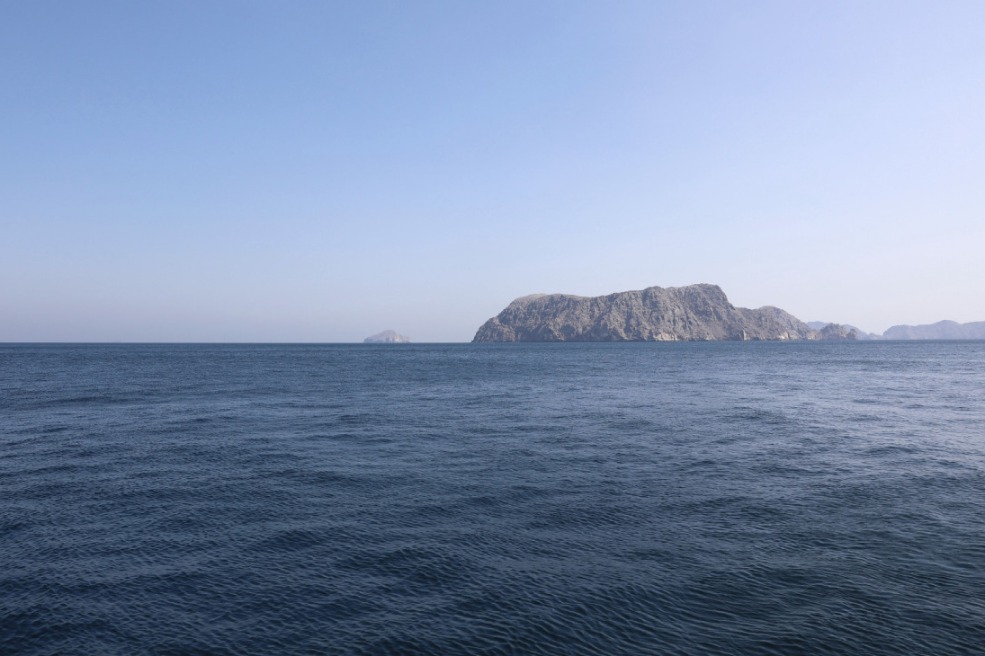
United States President Donald Trump has ordered the US military to "shoot and kill" Iranian boats laying sea mines in the Strait of Hormuz, adding further complications to peace negotiations despite saying he was in no "rush" to end the war.
"I have ordered the United States Navy to shoot and kill any boat, small boats … that is putting mines in the waters of the Strait of Hormuz," Trump said in a social media post.
"There is to be no hesitation. Additionally, our mine 'sweepers' are clearing the Strait right now. I am hereby ordering that activity to continue, but at a tripled up level!"
Trump also reposted a video endorsing an opinion that suggested "killing" Iranian leaders who do not want a deal.
Iranian Foreign Ministry spokesman Esmail Baghaei slammed Trump's apparent endorsement.
"The President of the United States has reposted a statement from an individual openly calling for 'killing the ones who don't want a deal'," Baghaei said in a post on X late on Thursday.
Iranian President Masoud Pezeshkian and Foreign Minister Seyed Abbas Araghchi were among the senior Iranian officials who also posted a message of unity, rejecting US claims of internal factions.
"In Iran, there are no radicals or moderates; we are all 'Iranian' and 'revolutionary', and with the iron unity of the nation and government, with complete obedience to the Supreme Leader of the Revolution, we will make the aggressor criminal regret his actions," the Iranian leaders posted on their respective X accounts.
Washington and Tehran's intense tit-for-tat shifted to the Strait of Hormuz after the highly anticipated Wednesday talks in Islamabad, Pakistan, failed to take place.
Trump extended the US-Iran ceasefire deadline just hours before it was set to expire.
Meanwhile, three Pakistani sources said on Friday that peace talks between Iran and the US could resume, and Araghchi was expected to arrive on Friday night.
Two of the sources, from the Pakistani government, said a US logistics and security team was already in place for potential talks. There was no immediate response from Washington or Tehran to the report.
Nagapushpa Devendra, a West Asia analyst and research scholar at the University of Erfurt in Germany, told China Daily that the US approach "looks like coercive pressure".
"He is using the Strait of Hormuz to force Iran back toward a deal while insisting he is not under time pressure, but Iran appears willing to absorb the hit and turn the strait into its own leverage point," said Devendra.
The likely consequence, she said, is not a quick settlement but a longer standoff, with more ship seizures, a higher risk of clashes in the strait, and greater pressure on oil and shipping markets.
"Diplomatically, it also risks leaving the US with less allied support than it wants, while pulling Israel deeper into a widening regional crisis," Devendra added.
Alexander De Croo, administrator of the United Nations Development Programme, said that the US-Iran war will push more than 30 million people back into poverty, and the impact would likely increase food insecurity in the coming months.
"Even if the war stopped tomorrow, those effects, you already have them, and they will be pushing back more than 30 million people into poverty," De Croo told Reuters, as he also warned of other consequences of the US-Israeli war on Iran, including energy shortages and a decline in remittances.
A third US aircraft carrier, Nimitzclass USS George H.W. Bush, and its accompanying warships, arrived in the US Central Command area of responsibility, which oversees US military operations in the Middle East, the command announced on Thursday, Xinhua News Agency reported.
Journalist killed
Meanwhile, Israel and Lebanon extended their ceasefire for three weeks at a meeting on Thursday at the White House brokered by Trump, a day after Israeli strikes killed at least five people, including a journalist.
However, the Lebanese militant group Hezbollah said it reserves the right to respond to any Israeli "aggressions" during the truce in Lebanon, on Friday. Ali Fayad, an MP for the party, said extending the ceasefire "makes no sense" in light of continued "hostile acts" by Israel, saying they give "the resistance the right to respond at the appropriate time".
Wednesday was Lebanon's deadliest day since the ceasefire took effect on April 16, as reported by Reuters.
Those killed by Israeli strikes included Lebanese journalist Amal Khalil, according to a senior Lebanese military official and her employer, Al-Akhbar newspaper.
Xinhua and agencies contributed to this story.
Contact the writers at jan@chinadailyapac.com.





Editor's Pick