US pricing policy dents Europe drug launches: EU agency
By JULIAN SHEA in London | China Daily Global | Updated: 2026-04-24 09:36


The European Medicines Agency has warned that policy unpredictability in the United States means regional authorities need to work more closely together or risk missing out on advances in treatment.
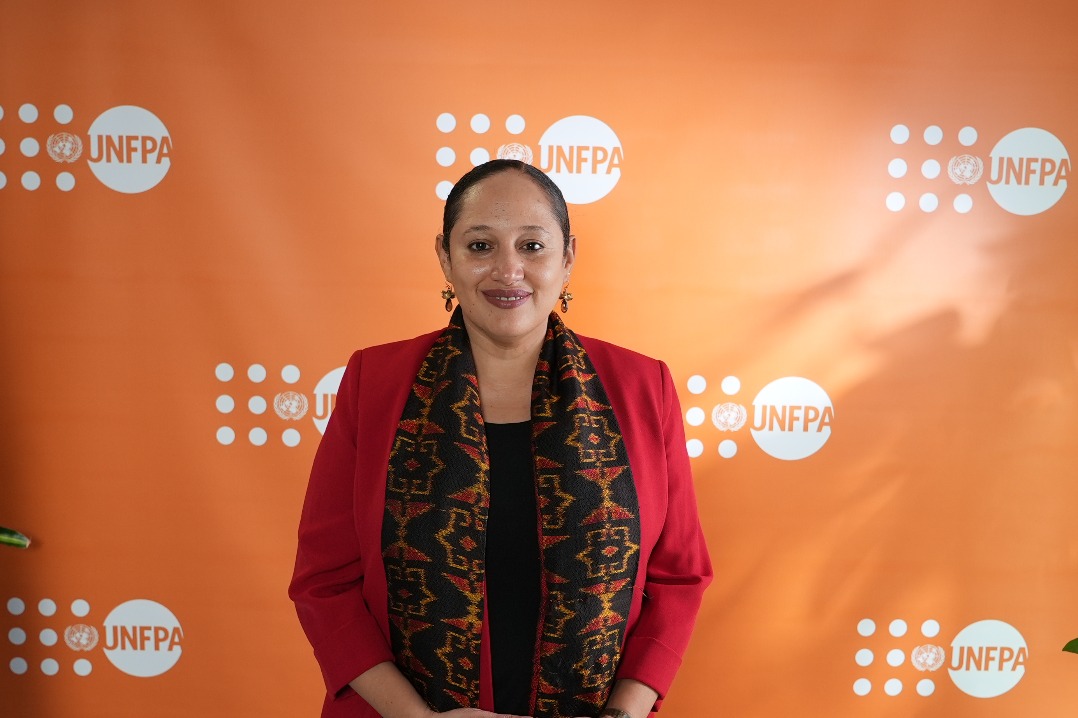
Speaking at the Reuters Pharma Europe 2026 event held in Barcelona, Spain, the agency's Executive Director Emer Cooke said that since May last year, when the US introduced a new drug pricing policy known as most favored nation, the number of drug launches in Europe had fallen by more than one-third.
"We're at a very critical point at the moment," Cooke said. "Everybody's struggling with what the impacts of the US policy on pricing will be. And that's not just on pricing, it's on where you do your clinical trials, where you market, where you launch."
Pharmaceuticals, which have traditionally been exempt from customs duties, are a lucrative trans-Atlantic trade.
Reuters reported in July that medicines are Europe's largest export to the US by value, and around 60 percent of all pharma imports to the US come from the European Union.
Under the trade deal agreed between the US and the EU last summer, which has yet to be ratified by the European Parliament, 15 percent tariffs on branded medicines could cost the sector up to $19 billion, to be absorbed either by manufacturers or by consumers paying more.
Europe is the second-largest global pharma market, but leading industry figures are increasingly turning toward markets such as the US or China for research and investment, as the regulatory framework is regarded as being easier to work in, and prices are potentially higher, because universal healthcare — widely available across Europe — gives governments there leverage in price negotiations.
The US' most-favored-nation policy aims to reduce medicine prices to those paid in regions such as Europe, but a consequence has been higher prices in Europe.
"Starting today, the US will no longer subsidize the healthcare of foreign countries, which is what we were doing," US President Donald Trump said when launching the policy, suggesting that countries with major bargaining power had "forced big pharma to do things that, frankly, I'm not sure they really felt comfortable doing" when it came to setting prices.
Bill Coyle, global head of biopharma at consulting firm ZS, told the Barcelona conference that the US policy "is creating a huge hesitation to launch here in Europe if it exposes price in the US", which is "the major driver of profit for the entire industry".






Editor's Pick