Whispers in the lab fosters Cold War research
By Li Yang | chinadaily.com.cn | Updated: 2026-04-10 20:32


In Washington, paranoia rarely announces itself as such. It prefers the language of vigilance — or better yet, patriotism with a password-protected inbox.
The latest example comes courtesy of the so-called United States House Select Committee on China, which took to social media on Thursday with a rather gaudy invitation: Dear scientists, if your colleagues have ties to China — financial, academic, or otherwise — kindly report them. Confidentially, of course. Just put “Research Security” in the subject line, like you’re flagging a suspicious package.
It is the sort of message that manages to sound both bureaucratic and faintly accusatory, like a hall monitor with subpoena power.
Officially, the initiative is about safeguarding US innovation. Unofficially, it is institutionalized fear, with the veneer of an academic cold war. And one can already imagine how this script unfolds: at some future point, findings may be unveiled as “hard evidence”, ostensibly built on “tips” submitted through this portal . Yet the sources will remain unseen, their identities shielded in the name of protection, leaving the public to assess conclusions without access to the underlying testimony. It is not a channel for truth but a tool for assembling a narrative that can be cited, expanded and purposed to justify further action.
The aim is less about discovering “secrets” — US intelligence capabilities are hardly lacking — than about cultivating an atmosphere in which caution overrides curiosity. When scientists begin to wonder whether collaboration might invite scrutiny, the effect is not greater security but quieter laboratories and narrower ambitions.
This is the point Chinese Foreign Ministry spokeswoman Mao Ning made at a Friday news conference on the so-called whistleblower portal, describing the initiative as evidence of how far Washington is prepared to go to contain China. It is the latest move of a broader move against China: the abuse of “national security”, the disruption of normal scientific exchanges, and the growing pressure felt by Chinese students and scholars in the US.
Such measures that are purportedly intended to guard innovation may instead erode it — and ultimately rebound on those who impose them, as Mao warned.
There is also a revealing subtext to what Washington is choosing to monitor. Artificial intelligence, quantum computing, advanced manufacturing — these are not just academic pursuits; they are areas where China’s rapid progress has unsettled US assumptions about its primacy.
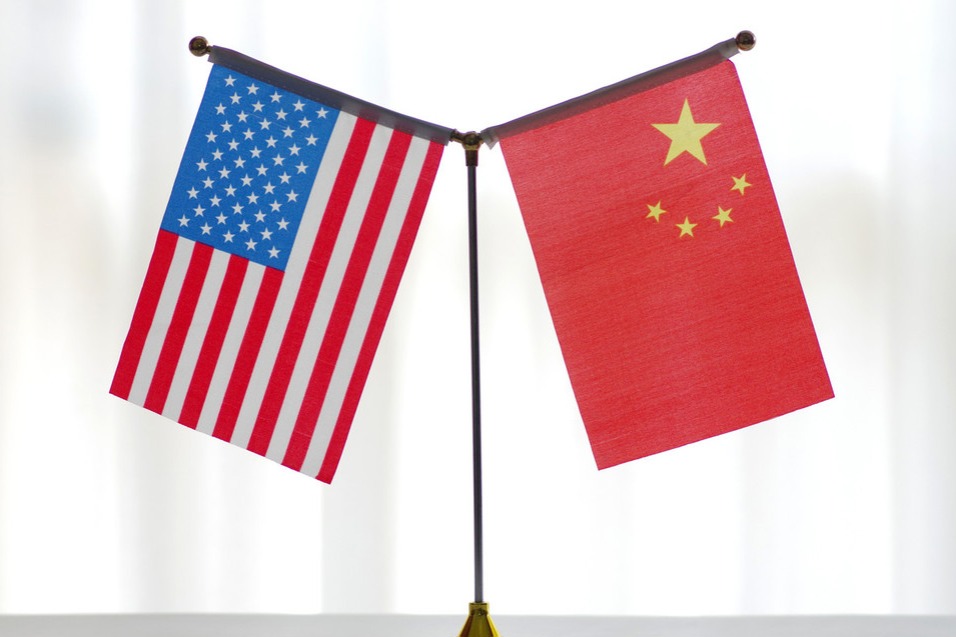
History offers a quiet counterpoint. Friday marks the 55th anniversary of Ping-Pong Diplomacy between China and the US, when a simple exchange of table tennis players, along with other efforts, helped thaw decades of estrangement. It was a modest beginning, grounded in the idea that human contact could precede political agreement. The contrast with today’s climate — where academic ties are scrutinized and personal connections questioned — is glaring.
Modern science does not operate within national silos; it is embedded in global networks of knowledge, talent and industry. Attempts to sever those connections have already proven costly in the damage done to trade and supply chains. Extending that logic into research risks fragmenting systems that depend on openness to function.
Countries that try to slow others’ progress through restrictions may find they constrain themselves in the process. There is a difference between managing risk and amplifying suspicion to the point where it begins to define the system itself.
If Washington is serious about maintaining stable relations with Beijing, it may need to look again at the foundations of the relationship. Exchanges — academic, cultural, and others — have long been its ballast. Undermining them carries consequences that will not easily be reversed.



Editor's Pick