China's consumer spending reports steady growth in Spring Festival holiday
Xinhua | Updated: 2026-02-20 16:04


BEIJING -- Chinese consumers ushered in the Spring Festival holiday with a burst of spending, filling restaurants and malls and traveling across the country, which offered an early-year boost to the consumption sector.
In the first four days of the holiday break, average daily sales at major retail and catering businesses rose 8.6 percent from the corresponding period a year earlier, according to data from the Ministry of Commerce. Traffic and revenue at 78 key shopping streets and districts in the first three days climbed 4.5 percent and 4.8 percent, respectively.
The Spring Festival, which is also known as Chinese New Year, fell on Feb 17 this year, and the holiday, which starts two days earlier, lasts nine days in total.
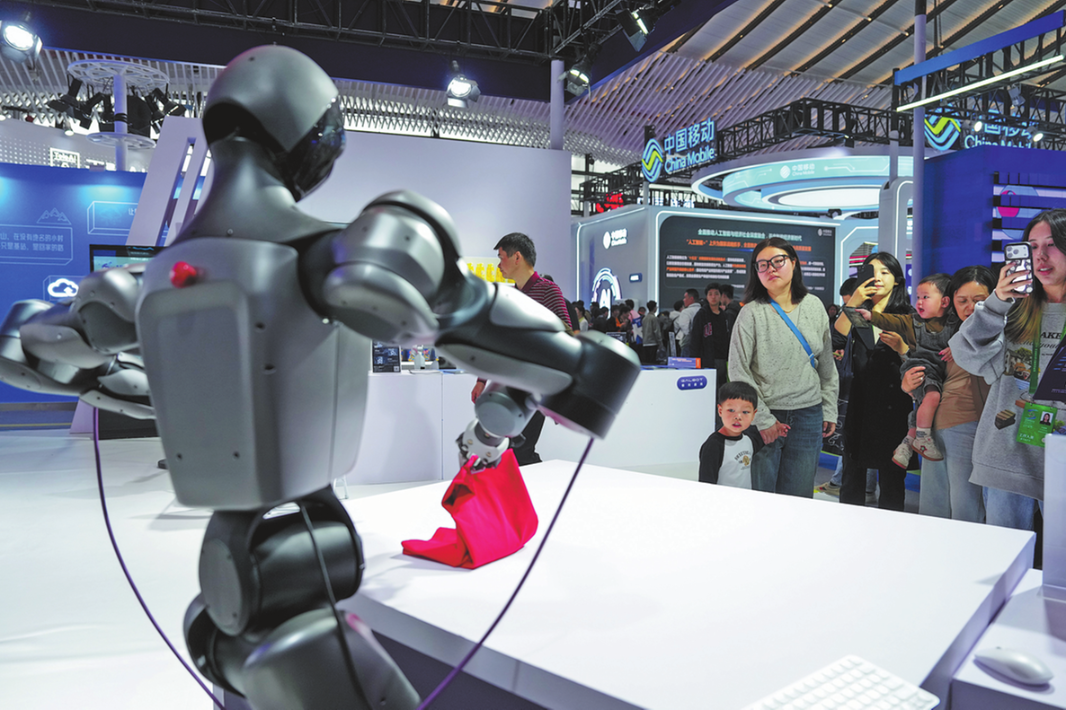
The spending wave blended tradition with new habits, with online platforms reporting brisk demand for smart devices. Sales of wearable gadgets on major platforms surged 19.7 percent year-on-year in the first three days of the holiday, with smart glasses more than doubling and smart blood glucose monitors up by nearly 50 percent.
Services spending added to the momentum. Domestic tourism consumption on major platforms rose 4.5 percent year-on-year in the first three days of the holiday, including a 26 percent jump in car-rental bookings.
In the southern island province of Hainan, duty-free sales reached 970 million yuan (nearly $140 million) in the first four days of the holiday, up 15.8 percent from a year ago.
A nationwide consumer goods trade-in program also continued to unleash consumption demand. By Feb 18, nearly 28.44 million consumers had received subsidies to replace old products with new ones this year, generating nearly 196.39 billion yuan in sales. Auto trade-ins accounted for a sizable share, with sales reaching 100.23 billion yuan.
The government introduced a slate of supportive measures ahead of the nine-day break, encouraging local authorities and businesses to pair promotional events with policy incentives, including shopping vouchers and improved payment services for visitors.